Emirate Guide · 11 min read
Abu Dhabi Property for Expats — Freehold Zones & Yields
Abu Dhabi's investment zones are quieter than Dubai but offer better yields in some segments — and the 2026 freehold expansion is the most under-discussed change in UAE property this year.
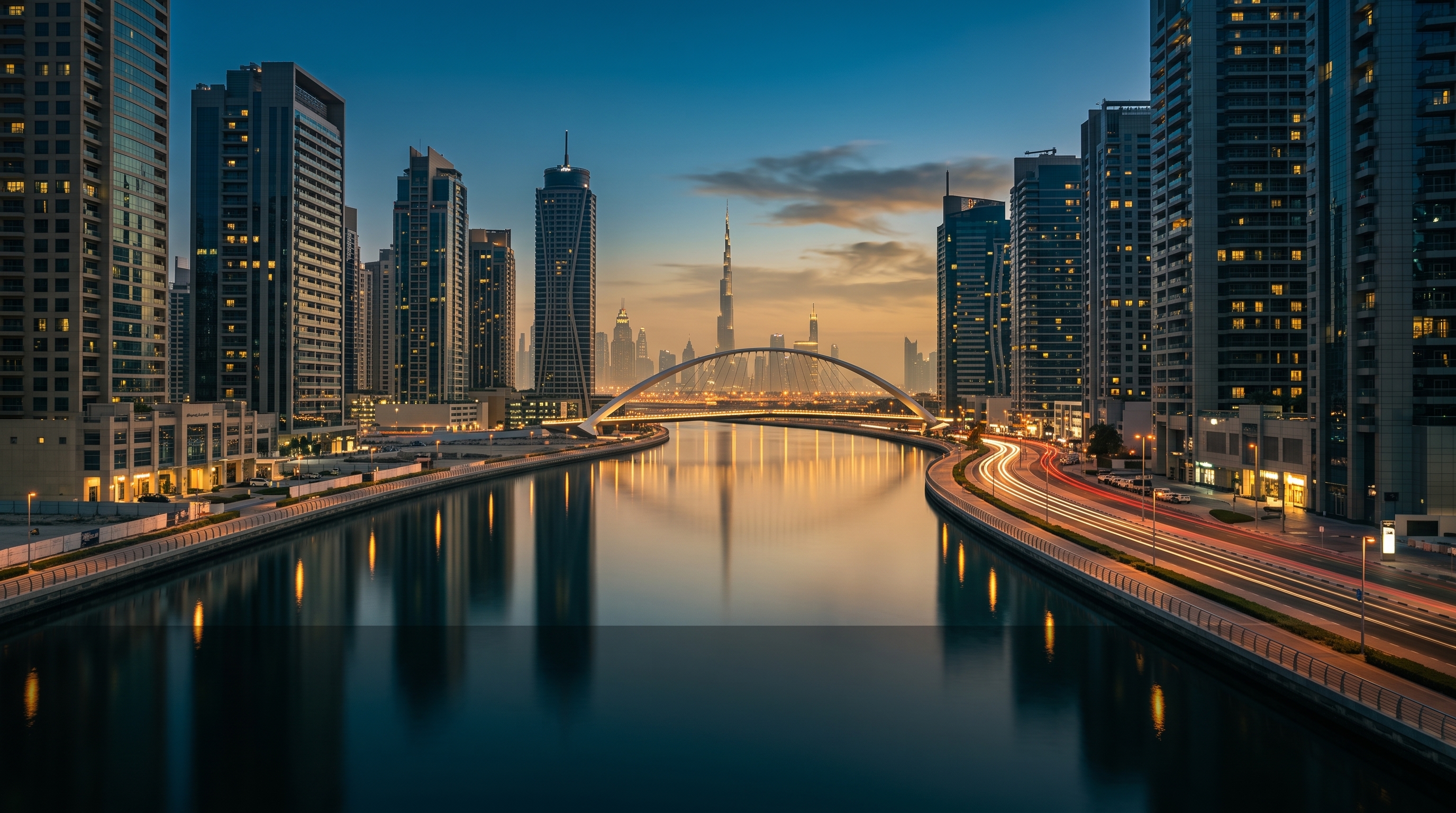
Abu Dhabi is the UAE's capital and its largest emirate by area, but its property market has always lived in Dubai's shadow — less liquid, less marketed, less understood by foreign buyers. That is starting to change. The 2026 freehold expansion, combined with sustained government infrastructure investment and a quieter, more stable price profile, makes Abu Dhabi the most under-discussed opportunity in UAE property for the right kind of buyer.
The freehold landscape — investment zones
Abu Dhabi opened freehold ownership to non-GCC foreigners in 2019, in designated "investment zones." The zones have expanded several times since, with the 2026 expansion adding new areas in Al Raha Beach, Reem Island extensions, and parts of Yas and Saadiyat. The key zones today:
- Al Reem Island — the most established freehold zone, dense residential, mature amenities, the closest Abu Dhabi equivalent to Dubai Marina.
- Al Raha Beach — waterfront master-planned community, deep tenant demand from professionals commuting to the city.
- Yas Island — entertainment and residential, anchored by Yas Mall, Ferrari World and the F1 circuit. Strong short-let demand.
- Saadiyat Island — cultural and high-end residential, home to the Louvre Abu Dhabi and the upcoming Guggenheim. The closest Abu Dhabi comes to a "prime" address.
- Al Maryah Island — the financial district, commercial-led but with growing residential.
- Mamsha Al Saadiyat / Saadiyat Grove — newer high-end residential, beach-adjacent.
The 2026 freehold expansion — what changed
The 2026 expansion did two things. First, it added new freehold areas — most significantly, extensions to Al Raha Beach and parts of Yas that were previously leasehold-only. Second, and more importantly, it clarified the residency-visa eligibility for property owners, aligning Abu Dhabi's rules with Dubai's: foreign owners in investment zones can now apply for a UAE residency visa on the property (subject to value thresholds, typically AED 1M+).
The expansion has not yet been fully priced in by the market. Abu Dhabi's freehold zones trade at a meaningful discount to comparable Dubai zones, despite comparable infrastructure and (in some segments) better yields. This is the gap that interests me.
Price comparison — Abu Dhabi vs Dubai mid-tier
| Unit type | Abu Dhabi (Reem/Yas) | Dubai (Marina/Business Bay) | Gap |
|---|---|---|---|
| Studio | AED 600–800k | AED 700–900k | ~10% cheaper |
| 1-bedroom | AED 1.0–1.3M | AED 1.1–1.5M | ~10% cheaper |
| 2-bedroom | AED 1.6–2.1M | AED 1.8–2.5M | ~10% cheaper |
| 3-bedroom | AED 2.4–3.2M | AED 2.6–3.6M | ~10% cheaper |
| Saadiyat 3-bed | AED 3.5–5M | Palm 3-bed AED 5–8M | ~30% cheaper |
The gap to Dubai mid-tier is modest (~10%), but the gap to Dubai prime is significant (~30% on Saadiyat vs Palm). For a buyer looking at the prime end, Saadiyat offers a comparable lifestyle and infrastructure at a meaningful discount — the trade-off is international brand recognition and resale liquidity.
Yields — where Abu Dhabi actually beats Dubai
This is the most under-appreciated point about Abu Dhabi: in several segments, net yields are higher than comparable Dubai. The reason is that rents in Abu Dhabi are supported by a more stable tenant base (government employees, oil & gas, sovereign-adjacent companies) and that service charges are typically lower than Dubai mid-tier. Indicative 2026 numbers:
- Reem Island 1-bed — AED 75–95k/year rent, AED 1.1M price → 7–8.5% gross, 5.5–6.5% net
- Al Raha Beach 1-bed — AED 80–100k/year, AED 1.2M → 7–8.5% gross, 5.5–6.5% net
- Yas Island 1-bed — AED 85–110k/year, AED 1.2–1.4M → 7–8% gross, 5.5–6.5% net
- Saadiyat 2-bed — AED 140–180k/year, AED 2.5–3.2M → 5.5–6% gross, 4.5–5% net
Compare to Dubai Marina at 5.5–6.5% gross and 4–5% net: Abu Dhabi's mid-tier yields are 1–1.5 percentage points higher. The trade-off is appreciation — Abu Dhabi has historically seen slower price growth than Dubai in the up-cycle, but also smaller drawdowns in the down-cycle.
Who Abu Dhabi is right for
- The income-focused investor — Abu Dhabi's stable tenant base and higher net yields suit a buyer who wants reliable cashflow and can tolerate slower capital growth.
- The risk-averse buyer — Abu Dhabi's less speculative market means smaller drawdowns; this suits a buyer who cannot tolerate a 20% price drop.
- The Saadiyat prime buyer — buyers who want a prime waterfront address at a 30% discount to Dubai's Palm, and who value cultural infrastructure (Louvre, Guggenheim) over nightlife.
- Long-term residents — buyers who already live in Abu Dhabi and want to own rather than rent.
The honest Take
Abu Dhabi is the right call for a buyer who prioritises income stability, lower drawdown risk, or the Saadiyat prime story at a discount. It is the wrong call for a buyer who needs maximum liquidity, who wants to ride the next Dubai-style bull run, or who treats property as a status purchase requiring Dubai brand recognition. For the right buyer, the 2026 freehold expansion makes this the best time in a decade to look at Abu Dhabi seriously — the gap to Dubai is real, and it is unlikely to persist indefinitely.
If you are weighing a specific Abu Dhabi project against a Dubai alternative, send me both. I will compare them on price, net yield, expected appreciation and liquidity — and tell you which one fits your situation better.