Analysis · 15 min read
UAE Property Market Outlook 2026
Supply pipeline, price momentum by emirate, where the cycle is overheating, where it is undervalued, and the segments I am buying into myself this year.
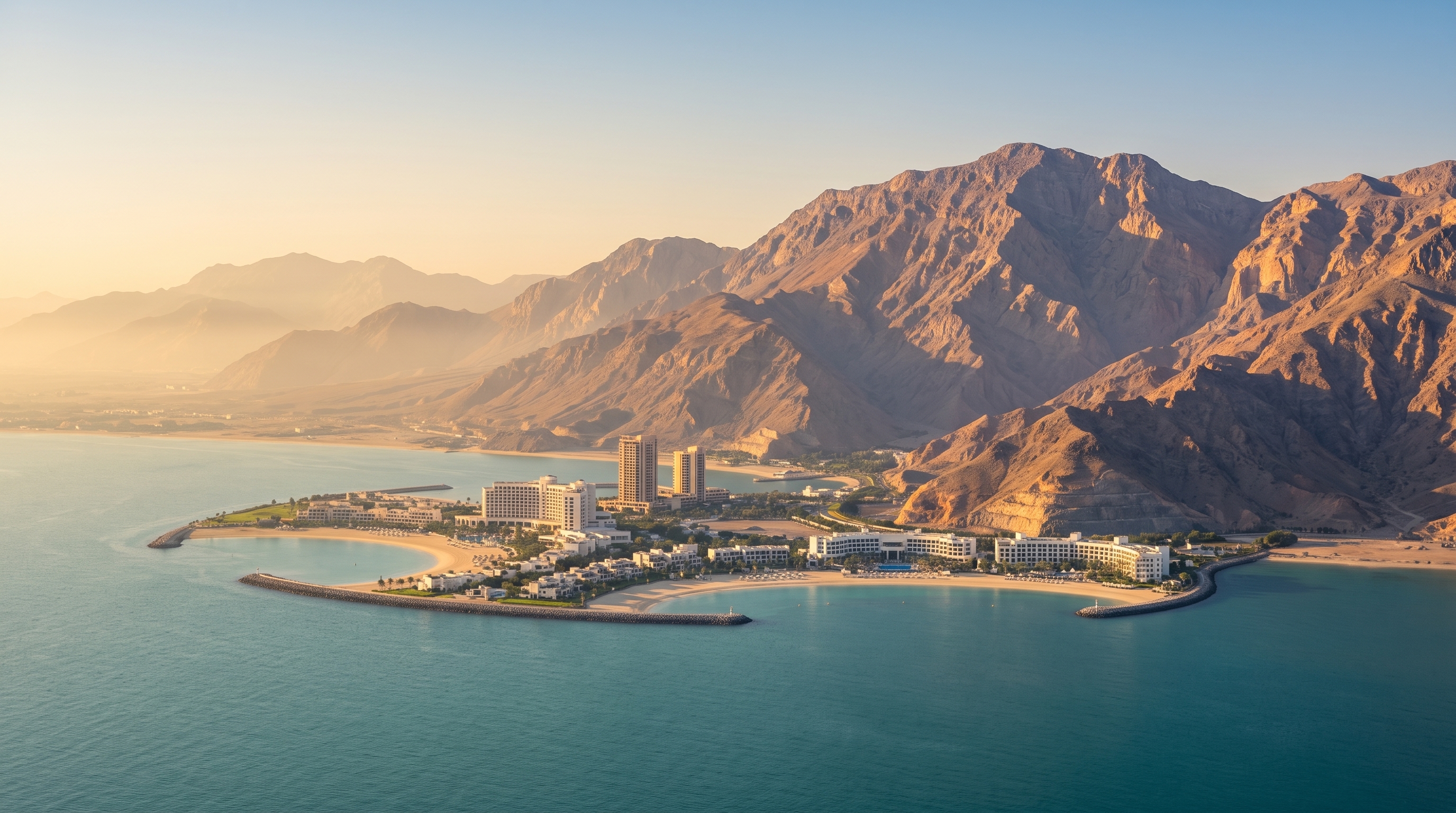
This is the outlook I am giving clients at the start of 2026 — not the consensus from sell-side reports, but the view from someone who is actually closing transactions every week and watching where the bid is. The UAE property market has had an extraordinary run since 2021, with Dubai in particular seeing sustained price growth across most segments. The question for 2026 is not whether the cycle is over — it is where, within the market, the value is now, and where the risk is concentrated.
Where the market stands — the headline
Dubai residential prices are up approximately 80–100% from the 2020 trough, with prime segments (Palm, Downtown, JBR) up 120%+ and mid-tier up 60–80%. The pace of growth has slowed meaningfully in 2025 — most segments are now in single-digit annual growth, vs the 20–40% annual rates seen in 2022–2023. This is a maturing cycle, not a topping cycle — but the easy money has been made, and 2026 is a year of selective opportunities rather than broad-based appreciation.
Supply pipeline — the largest risk
The single most important data point for 2026 is the supply pipeline. Dubai has roughly 30,000–40,000 residential units scheduled for handover in 2026, with similar volumes in 2027–2028. This is historically high — more than double the long-term average annual handover. The question is whether demand can absorb it.
The honest answer: in prime and established mid-tier, yes. In emerging and peripheral zones (JVC, Arjan, parts of Dubai South, Majan), probably not. I expect to see meaningful price pressure in the most oversupplied emerging communities through 2026, with possibly 5–10% price softness in the worst-affected areas. This is the segment to be cautious of in 2026 — not the market as a whole.
By emirate — the differentiated picture
| Emirate | 2026 outlook | Where the value is |
|---|---|---|
| Dubai | Moderate growth, 3–6% in prime; flat to -5% in oversupplied emerging | Established mid-tier (Marina, Business Bay), prime entry |
| Abu Dhabi | Stable, 2–5% growth, lower volatility | Reem Island, Yas, Saadiyat at 2026 freehold expansion |
| Sharjah | Early-cycle, 5–10% possible as freehold story develops | Tilal City, Al Khan |
| Ras Al Khaimah | Wynn-driven, 10–20% possible on Al Marjan but front-loaded | Specific Al Marjan projects with strong developers |
| Ajman | Stable, income play only, low growth | Existing ready stock at fair prices |
Where the cycle is overheating
The segments I am cautious on in 2026:
- Off-plan launches in emerging communities priced at or above ready comparable prices — the premium-at-handover play is now negative expected value in many of these launches.
- Al Marjan Island secondary-market purchases — much of the Wynn upside is now in the price; the spread between entry today and exit at Wynn opening has compressed materially.
- Palm Jumeirah ultra-prime — the most expensive Palm villas and signature villas have run hard; the next leg of appreciation is uncertain.
- Short-let Airbnb speculation in mid-tier communities — supply of short-let units has grown faster than demand, compressing yields; the operational complexity is no longer being adequately compensated.
Where I am buying myself in 2026
I will be transparent about where I see value and where I am personally allocating capital:
- 1-bed units in Business Bay at AED 1.1–1.4M, ready, long-term let. Net yield 5.5–6.5%, with steady appreciation in a built-out area. The income-plus-stable-growth combination is the best risk-adjusted return in Dubai in my view.
- 2-bed units in Dubai Marina at AED 1.8–2.3M. Lower yield than Business Bay but deeper liquidity and a more flexible letting market.
- Saadiyat apartments at the 2026 freehold expansion entry prices. The gap to Dubai prime (Palm, Downtown) is real and may close.
- Sharjah Tilal City selectively — early freehold story, but only with developers I have personally verified.
- Avoiding — emerging Dubai communities at off-plan launches, Al Marjan secondary, and most short-let plays.
The macro tailwinds that support the market
The structural case for UAE property remains intact in 2026:
- No income, capital gains, or property tax — the largest structural advantage, still in place.
- Golden Visa and retirement visa programs continue to draw committed foreign capital.
- Population growth — Dubai's population continues to grow 4–6% per year, supporting housing demand.
- Diversification away from oil — tourism, finance, technology continue to expand, broadening the tenant base.
- Geopolitical stability in a region where several neighbours are not — the UAE remains a safe-haven capital destination.
The honest Take
The 2026 UAE property market is a market of two halves. The prime and established mid-tier segments are well-supported, with steady income and moderate appreciation — a "good in the conditions" market. The emerging and speculative segments are at risk from supply and from too much capital chasing the same stories — a market to be selective in. The buyers who do well in 2026 will be those who focus on established communities, net yield, and a 5+ year hold — not those chasing the next hot launch. The trade of the cycle is no longer "buy anything and wait"; it is "buy the right thing and hold."
If you want my read on a specific area, project, or unit you are considering, send it to me. I will tell you where it sits in the 2026 picture — honestly, including when the answer is "I would not buy this now."