Residency · 9 min read
Retiring in the UAE on a Property Visa
The UAE's retirement visa, the AED 1M property route, healthcare access, and the communities that actually suit a retiree long-term — for the people who are planning the move, not the brochure.
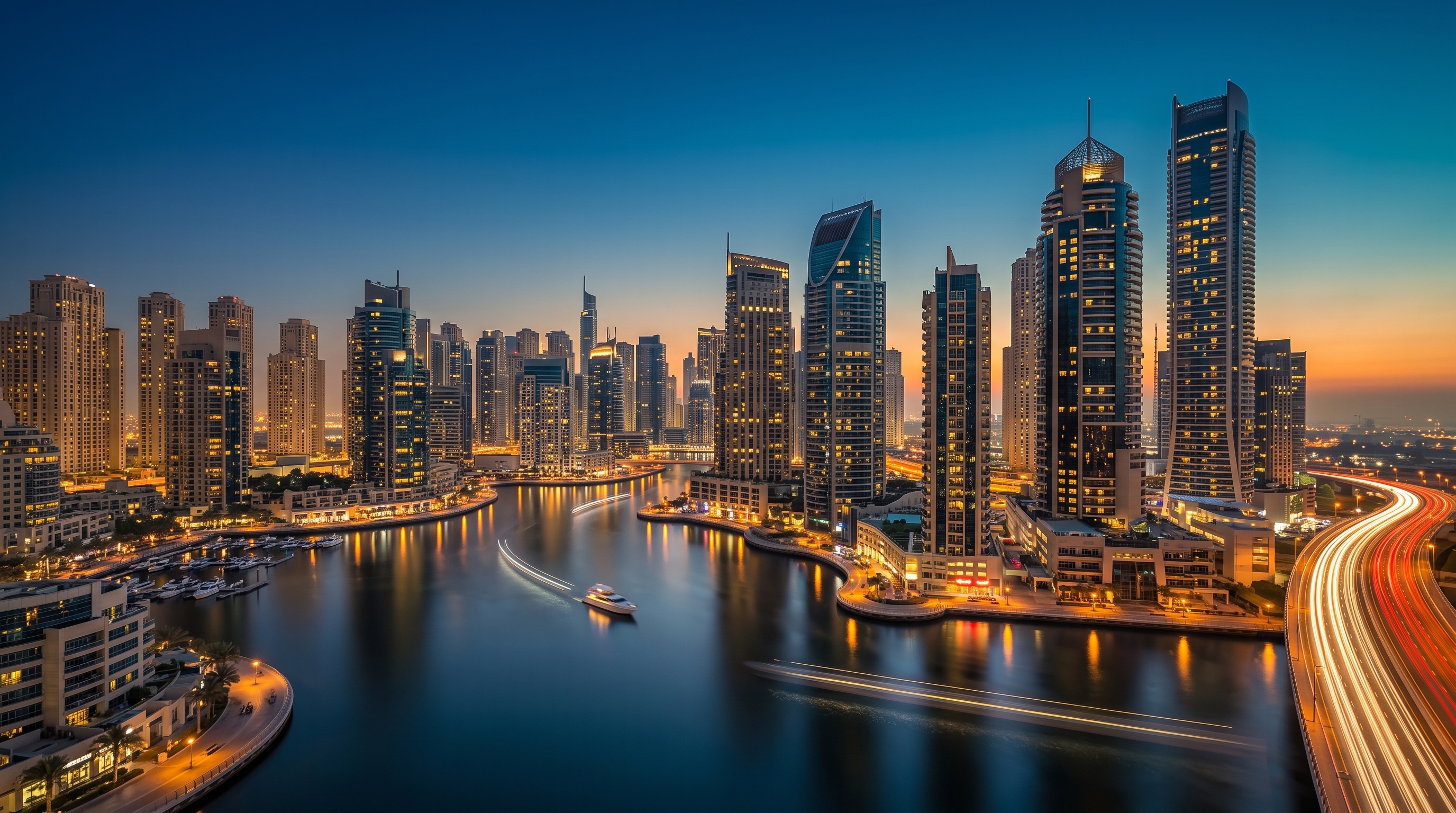
The UAE introduced a dedicated retirement visa in 2020 and has expanded it several times since. For a foreigner who is past working age but wants to base themselves in the UAE year-round — for the climate, the safety, the healthcare, or simply because they like it — the property-based retirement visa is now one of the most practical long-stay residency options in the region. This guide walks through the rules, the practical realities, and the communities that actually suit a retiree.
The retirement visa — what it is
The UAE Retirement Visa is a 5-year renewable residency permit for foreigners aged 55 and over. It is available to those who meet one of three financial criteria, the most relevant for property buyers being the property route: own real estate in the UAE worth at least AED 1 million. There are alternative routes (AED 20,000/month income, or AED 1M in cash savings) but for property owners, the AED 1M property threshold is the cleanest path.
The visa is renewable every 5 years, covers a spouse, and there is no minimum stay requirement — you can leave and re-enter freely. The property must remain owned for the visa to renew, so this is a long-term commitment to UAE property, not a short-stay tool.
The AED 1M property threshold — what actually qualifies
- Property in any UAE emirate qualifies — Dubai, Abu Dhabi, Sharjah, Ajman, RAK, Fujairah, Umm Al Quwain. The threshold is federal, not emirate-specific.
- Freehold only — leasehold property does not qualify.
- Multiple properties can sum to the threshold, provided all are owned by the applicant (or jointly with spouse).
- Mortgaged property — under the 2026 rules, the net equity (value minus outstanding mortgage) must reach AED 1M. A AED 2M property with a AED 1M mortgage qualifies.
- Off-plan qualifies on contract value, but the visa is not issued until title registration at handover.
For a retiree, the most practical route is a single ready freehold property in the AED 1–1.5M range — enough to qualify, without overcommitting capital.
The cost of the visa
Budget roughly AED 8,000–12,000 for the full application, including the visa, Emirates ID, medical and ICA fees. Spouse sponsorship adds AED 1,500–2,000. The visa is valid for 5 years and renews on the same property if it still qualifies — no recurring annual cost during the 5-year term.
Healthcare access — the practical question
Healthcare is the single largest practical concern for retirees in the UAE. The country has excellent private healthcare, but it is expensive without insurance. Dubai mandates health insurance for all residents — including retirement visa holders — and the visa renewal is conditional on maintaining insurance. The minimum "essential benefits" plan costs AED 600–800 per year and covers basic care; comprehensive plans cost AED 8,000–25,000 per year for a 55–70 year old, depending on coverage.
The reality: retirees on the retirement visa should budget for comprehensive private insurance. The essential benefits plan is fine for emergencies but inadequate for chronic conditions or planned procedures. The good news is that UAE private healthcare is among the best in the region; the cost is the trade-off.
Communities that suit retirees
Not every Dubai community suits a retiree. The criteria are different: walkability, healthcare access, community facilities, low-traffic, and proximity to daily amenities matter more than proximity to office districts. The communities I recommend most:
- Dubai Marina and JBR — walkable, seafront, abundant restaurants and shops, well-connected to hospitals. Best for active retirees who want urban lifestyle.
- Dubai Hills Estate — quieter, golf-adjacent, parks, large villas and townhouses, good for retirees who want space and greenery.
- The Greens / The Views — mid-density, very walkable, mature trees, low-rise, strong community feel. Underrated for retirees.
- Mirdif — suburban, family-oriented, larger villas at lower prices than central Dubai. Suitable for retirees prioritising space.
- Abu Dhabi Saadiyat — quieter, cultural (Louvre, upcoming Guggenheim), beach-adjacent. The "thinking retiree" choice.
- RAK mainland — cheapest, slowest, most traditional. Suits a retiree who wants UAE residency at the lowest property cost.
The communities I would not recommend for retirees: Business Bay (transient, office-led, busy), Downtown (tourist traffic, expensive service charges), JVC (still developing, fewer amenities). These are not bad communities — they are just not optimised for the retirement use case.
Cost of living — the realistic math
A retired couple living in a paid-off AED 1.5M apartment in Dubai Marina can expect monthly costs of approximately:
- Service charges: AED 2,000–3,000/month
- DEWA and cooling: AED 800–1,500/month
- Internet and TV: AED 400/month
- Comprehensive health insurance: AED 1,500–2,500/month (amortised)
- Food and household: AED 3,000–5,000/month
- Car or taxi transport: AED 1,000–2,000/month
- Dining and leisure: AED 1,500–3,000/month (variable)
Total: AED 10,200–18,400 per month, or AED 122,000–220,000 per year, on a paid-off property. This is materially cheaper than comparable Western European coastal cities on a like-for-like lifestyle basis.
The honest Take
Retiring in the UAE on a property visa is a real option in 2026 — the visa exists, the property threshold is achievable, and the lifestyle is genuinely appealing for the right kind of retiree. The trade-offs are healthcare cost, summer heat, and distance from family in home countries. For a retiree who values safety, climate (outside summer), and a low-tax environment, the UAE is now one of the strongest options globally. For a retiree who needs to be near family or who has complex healthcare needs best served in their home system, it is the wrong call.
If you are planning the move, the next step is a 30-day visit to test the lifestyle — not the brochure version, but the actual day-to-day. I will help you choose the community that fits your routine, find a property that qualifies for the visa, and walk you through the application. Most of my retiree clients spend a year between the first visit and the actual move; that is the right pace.